Your Cart is Empty


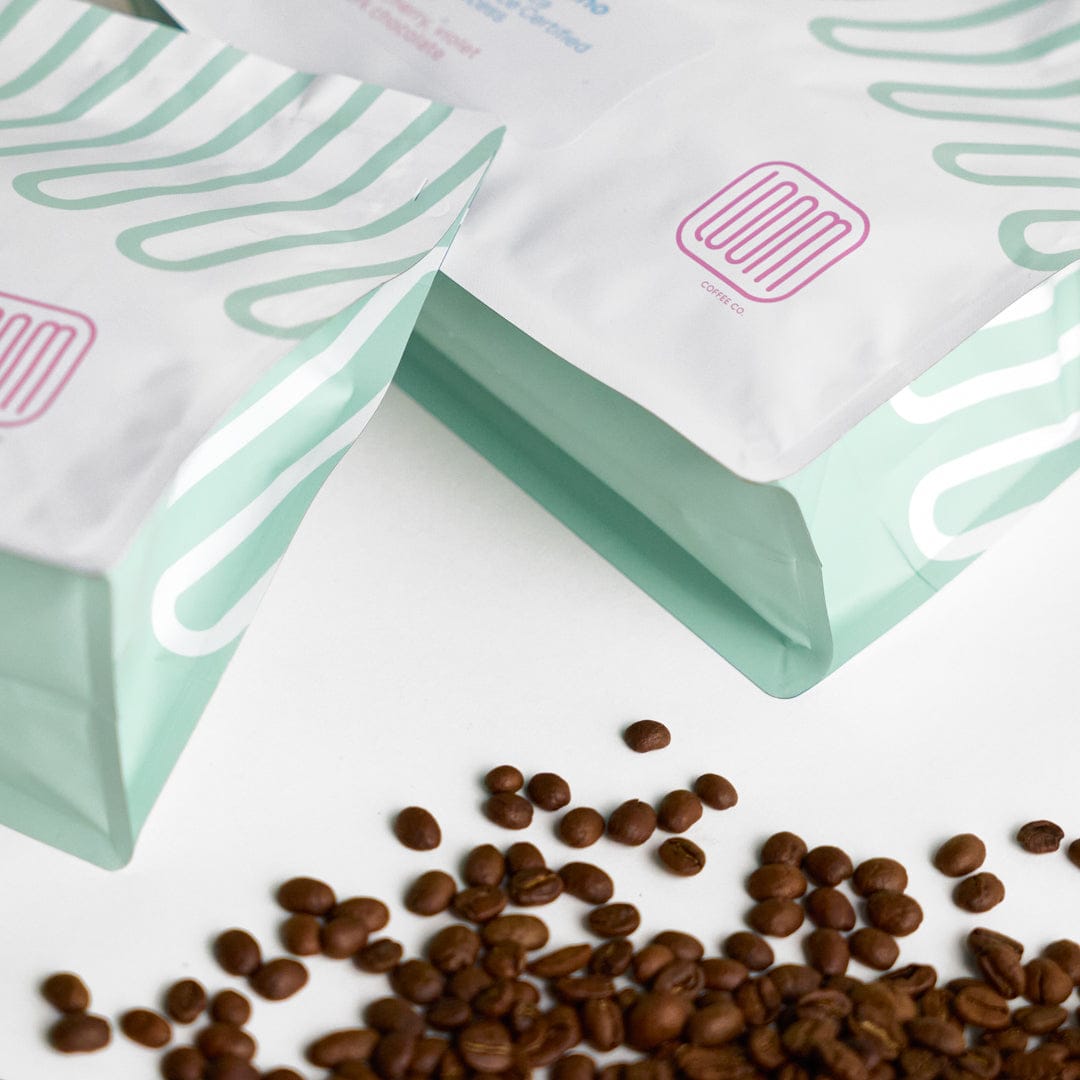
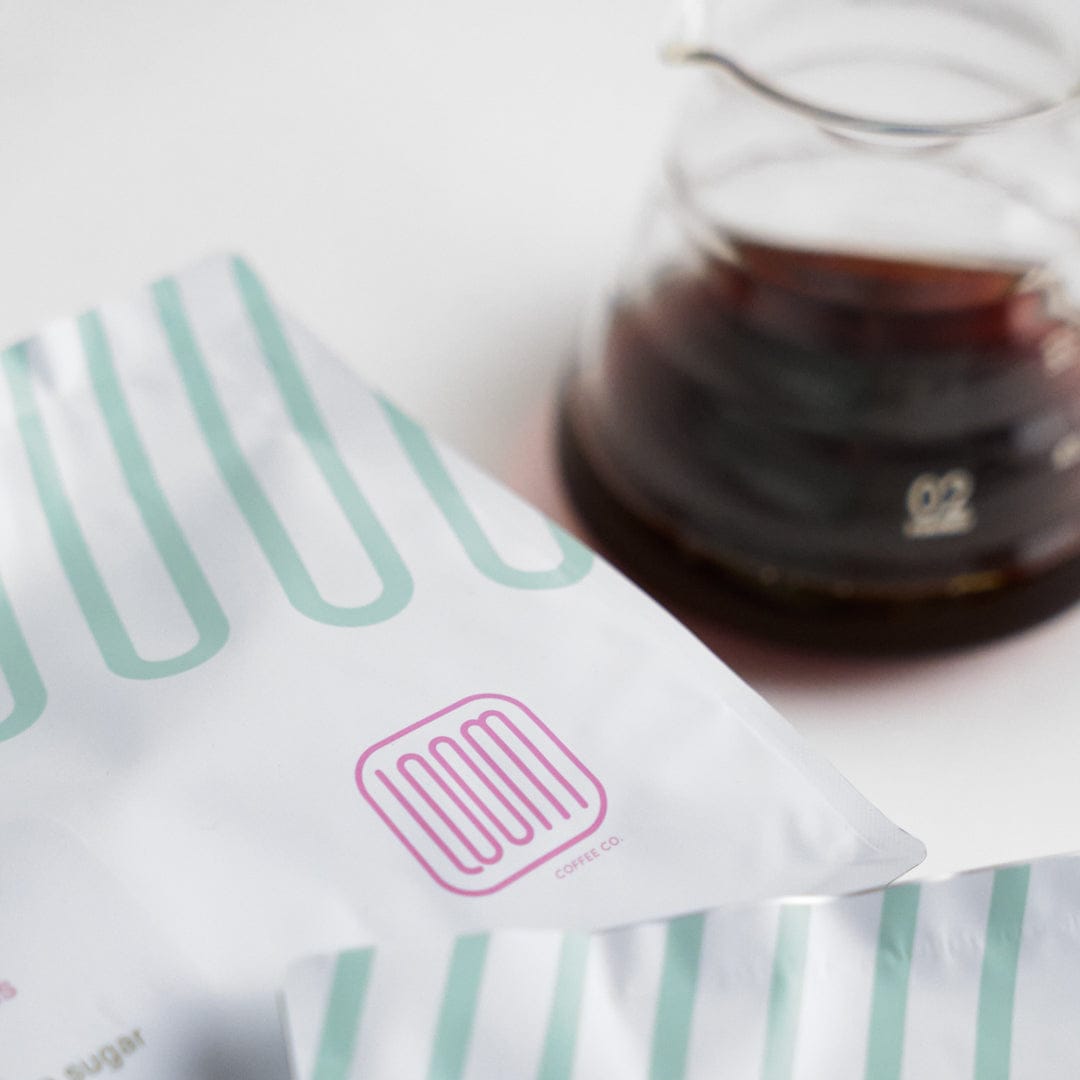
Peru Selva Norte
Brown sugar, milk chocolate and green apple
Past offering
This coffee is no longer on our menu.
Brew companion
Brew this coffee
Choose your method and we’ll guide the timing, one step at a time.
Expression
Tasting Notes
Brown sugar, milk chocolate and green apple
Acidity
Mellow Bright
Sweetness
Subtle Pronounced
Body
Light Full
Origin
Country
Peru
Region
Utcubamba (Amazonas) and Jaén (Cajamarca)
Producer
Café Selva Norte SAC
Farm
JUMARP, CEDROS Café, Selva Andina, Norcafé, and others (2,000-3,000 smallholder farmers across 10 cooperatives)
Craft
Variety
Catimor, Caturra, Typica, Bourbon, Pache
Process
Fully Washed
Fermentation
12-36 hours in tanks, sun-dried on patios or raised beds for 6-15 days, target 10-12% moisture
Elevation
1300-1800 meters
Certifications
VCS Carbon Credits
Roast Level
Lighter Darker
Expression
Origin
Craft
Tasting Notes
Brown sugar, milk chocolate and green apple
Acidity
Mellow Bright
Sweetness
Subtle Pronounced
Body
Light Full
Country
Peru
Region
Utcubamba (Amazonas) and Jaén (Cajamarca)
Producer
Café Selva Norte SAC
Farm
JUMARP, CEDROS Café, Selva Andina, Norcafé, and others (2,000-3,000 smallholder farmers across 10 cooperatives)
Variety
Catimor, Caturra, Typica, Bourbon, Pache
Process
Fully Washed
Fermentation
12-36 hours in tanks, sun-dried on patios or raised beds for 6-15 days, target 10-12% moisture
Elevation
1300-1800 meters
Certifications
VCS Carbon Credits
Roast Level
Lighter Darker


The chocolate-nut daily driver with a green apple finish
Brown sugar, milk chocolate and green apple. We've been cupping this lot from Peru's northern highlands and the profile keeps landing in the same place: a rich, sweet foundation with just enough brightness to keep things interesting. Traditional washed processing gives it a clean structure that lets each of those notes come through without competing.
This is the kind of coffee that works on autopilot Tuesday mornings and still rewards attention on slow weekend pour-overs. It's accessible, consistent and forgiving across brew methods, which is exactly why we brought it on.
Ten cooperatives, one carbon-neutral supply chain
Café Selva Norte is a cooperative alliance of roughly 2,000 to 3,000 smallholder farmers across Peru's Amazonas and Cajamarca regions, growing between 1,300 and 1,800 meters in the Selva Alta cloud forests. The project launched in 2018 as a joint venture between four local cooperatives and Urapi, a Canadian sustainable land use fund, with the goal of restructuring the entire supply chain from degraded farmland to specialty-grade exports.
Farmers ferment washed parchment for 12 to 36 hours, then sun-dry on patios or raised beds for 6 to 15 days. The coffee moves through Peru's first CIMBRIA-equipped dry mill in Jaén, where optical color sorting at 18,000 scans per second catches defects invisible to the human eye. Five-year microcredit loans fund conversion from slash-and-burn plots to agroforestry systems that generate revenue from coffee, timber, and VCS-certified carbon credits.
How agroforestry rebuilt what leaf rust destroyed
Peru's 2013 leaf rust crisis wiped out roughly 35% of national coffee production and triggered a sanitary emergency. The northern regions of Amazonas and Cajamarca absorbed much of the displaced production, but the old methods weren't sustainable. Café Selva Norte's model replaces slash-and-burn with intercropped agroforestry: coffee grows alongside hardwood timber species, restoring degraded soil while sequestering carbon.
The Selva Norte alliance includes the El Palto Mujeres program, where 40 women now serve on the JUMARP cooperative's Board of Directors and sell microlots under their own names. Nearly USD 500,000 in low-interest loans had reached 300 farmers by 2021, funding the conversion that makes this coffee possible. The result is a carbon-neutral supply chain where the same farmers who once degraded land now restore it.
Brewing Guides
Brew Peru Selva Norte like we do - here’s how.
Highlights clarity and acidity; best with precise grind, flow control, and flat or conical brewers.
| Brew Ratio | 1:15.5 (e.g., 20g coffee to 310g water) |
| Grind | Medium (like table salt) |
| Water Temp | 93°C / 199°F |
| Total Brew Time | 3:00 – 3:30 min |
| Yield | 300–320g |
Use a flat-bottom or conical dripper. Steady pours bring forward the brown sugar sweetness and keep that green apple lift clean through the finish.
Full immersion with coarse grind; great for body, sweetness, and lower-acidity profiles.
| Brew Ratio | 1:15 (e.g., 30g coffee to 450g water) |
| Grind | Coarse (like sea salt) |
| Water Temp | 93°C / 199°F |
| Total Brew Time | 4:30 – 5:00 min |
| Yield | 400–450g |
Stir gently halfway through steeping. Full immersion deepens the milk chocolate body and rounds out the cup into creamy, sweet territory.
Pressure extraction with fine grind; isolates intensity, structure, and balance.
| Brew Ratio | 1:2 (e.g., 18g coffee to 36g espresso) |
| Grind | Fine (like powdered sugar) |
| Water Temp | 93°C / 199°F |
| Total Brew Time | 25 – 30 sec |
| Yield | 36–40g |
Dial in for a sweet, low-acid shot. Milk chocolate and brown sugar translate well with steamed milk, or pull it straight for a clean, nutty finish.
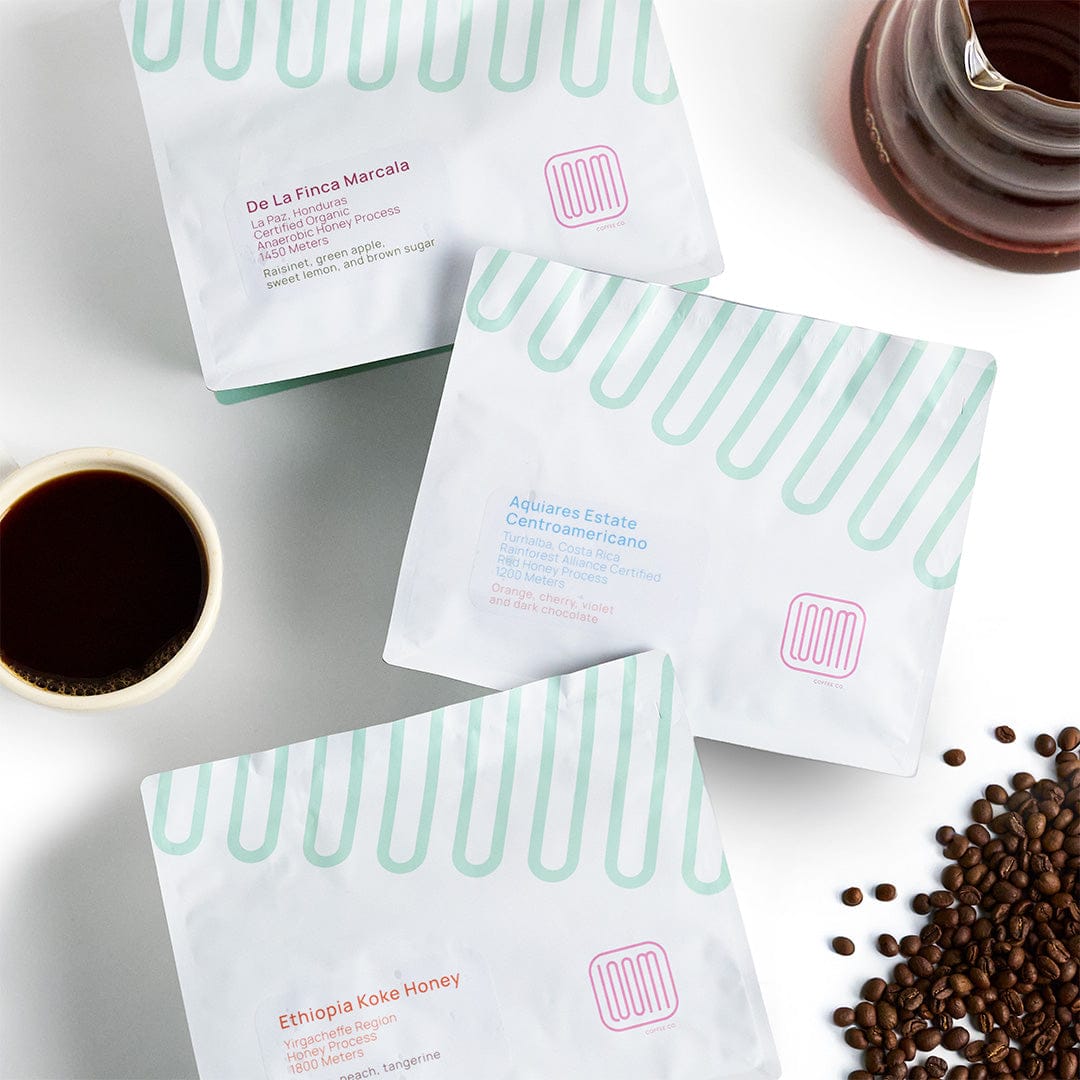

Try coffees like this one, on your schedule.
The Rotation is your coffee membership. Every order is a different single-origin, roasted to order and shipped within 48 hours. Explore our full lineup and find you next favorite.
You set the schedule, adjust or cancel anytime.
Carbon credits represent verified units of carbon dioxide sequestered through agroforestry, reforestation, or soil restoration. Farmers earn tradeable VCS-certified credits by converting degraded land to coffee-growing agroforestry systems, creating a revenue stream beyond the coffee itself. The Cafe Selva Norte alliance holds VCS carbon credits from its member cooperatives' land restoration work across Amazonas and Cajamarca, Peru.
Cooperatives pool smallholder farmers' production to access export infrastructure, quality control, and market channels that individual producers can't reach alone. Cafe Selva Norte encompasses four cooperatives, including JUMARP, CEDROS Cafe, Selva Andina, and Norcafe, with 2,000 to 3,000 producers. The alliance was established in 2018 as a joint venture between the cooperatives and Urapi, a Canadian sustainable land use fund.
El Palto Mujeres provides training in leadership, sensory analysis, and coffee roasting so women can sell roasted coffee at local markets under the JUMARP-Mujeres brand. Forty women now serve on the cooperative's Board of Directors. Individual women like Floremilda Baca Ramirez sell specialty microlots under their own names, a significant shift in a region where women were historically excluded from decision-making.
Certifications vary by cooperative within the alliance, but Fairtrade and organic certifications are held across the network. The supply chain also holds VCS carbon credits from agroforestry conversion. The operation runs Peru's first CIMBRIA-equipped dry mill in Jaen, with Chromex optical color sorting that detects multiple families of defects in a single pass.
The chocolate, hazelnut, and caramel profile with citrus undertones is a stable expression of Peru's northern highlands growing conditions at 1,300 to 1,800 meters. It scores between 83 and 86 on the SCA scale. The washed processing gives it a clean finish that makes it forgiving across brew methods, and the full cooperative network provides consistency from harvest to harvest.