Your Cart is Empty

So, what sounds good?

Answer a few quick ones. We'll point you to the right coffee.

What flavors make you stop and pay attention?

What roast level do you usually reach for?

LightMediumDark

What's your go-to brew method?

How adventurous are you feeling?

What size?

Your palate pointed here

Based on what you told us, this is where we'd start you. Roasted to order, shipped the same week.

Want to keep exploring?

The Rotation brings you a new single-origin coffee every month, roasted the week it ships. It's the easiest way to keep your morning interesting.

Join the Rotation

Featured Coffees

Why does fresh roasted coffee need to rest before brewing? Learn about coffee degassing, how long to wait after roasting, and when flavor peaks.

Why your fresh coffee needs to rest before you brew it

by Christopher R. Pierce 9 min read

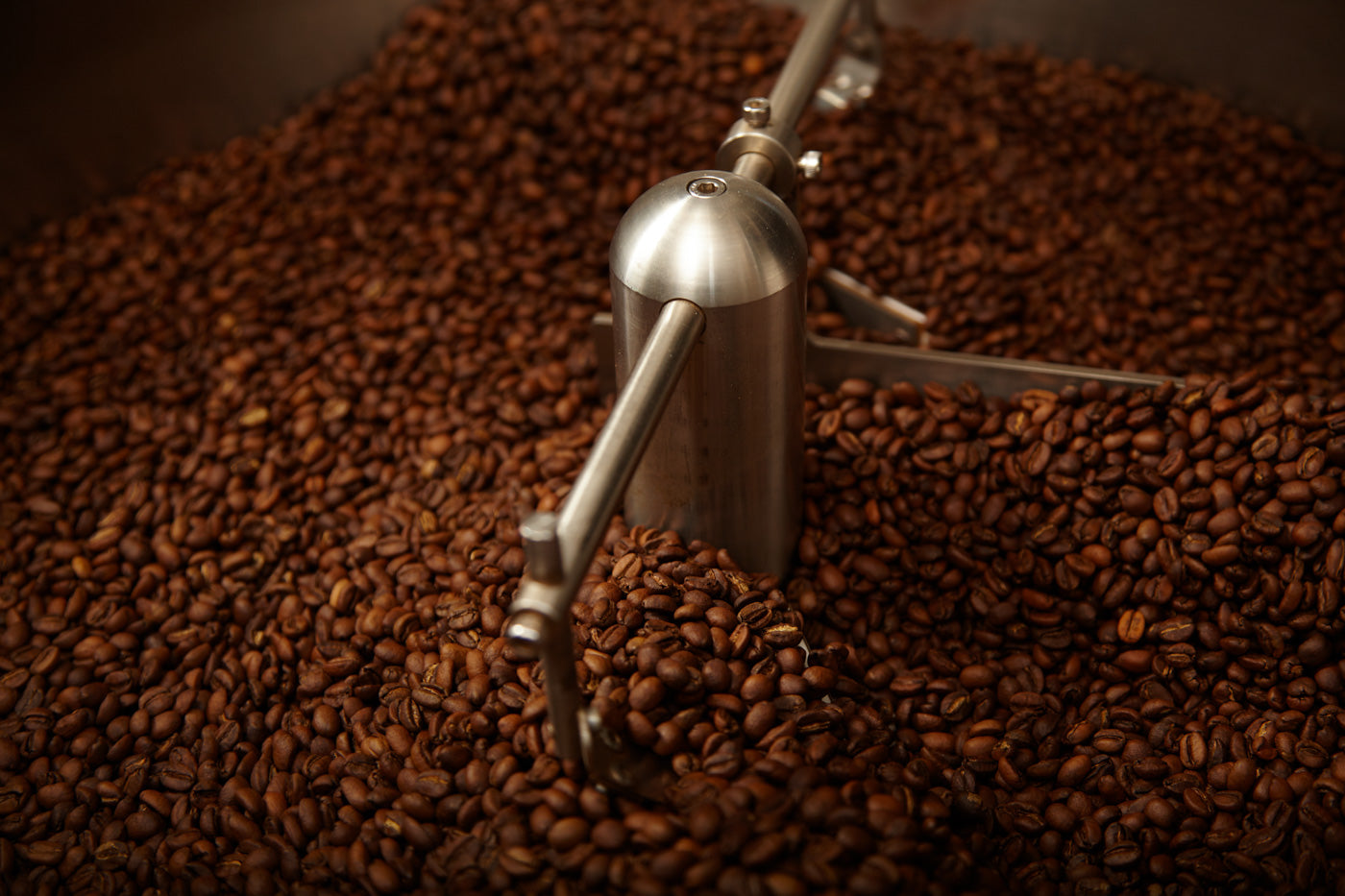
Your coffee just arrived, roasted yesterday. You brew it right away and the cup tastes sharp, thin, hollow. The problem isn't your technique. Freshly roasted coffee holds up to 10 bars of CO2 pressure that physically repels water during extraction.

Five days is the minimum rest before brewing. Ten to thirty days is where flavor really opens up. Here's the science behind why patience pays.

Full Article
What does anaerobic fermentation actually mean on a coffee bag? Loom Coffee Co. breaks down the science behind the label and what shapes your cup.

What does "anaerobic" actually mean on your coffee bag?

by Christopher R. Pierce 8 min read

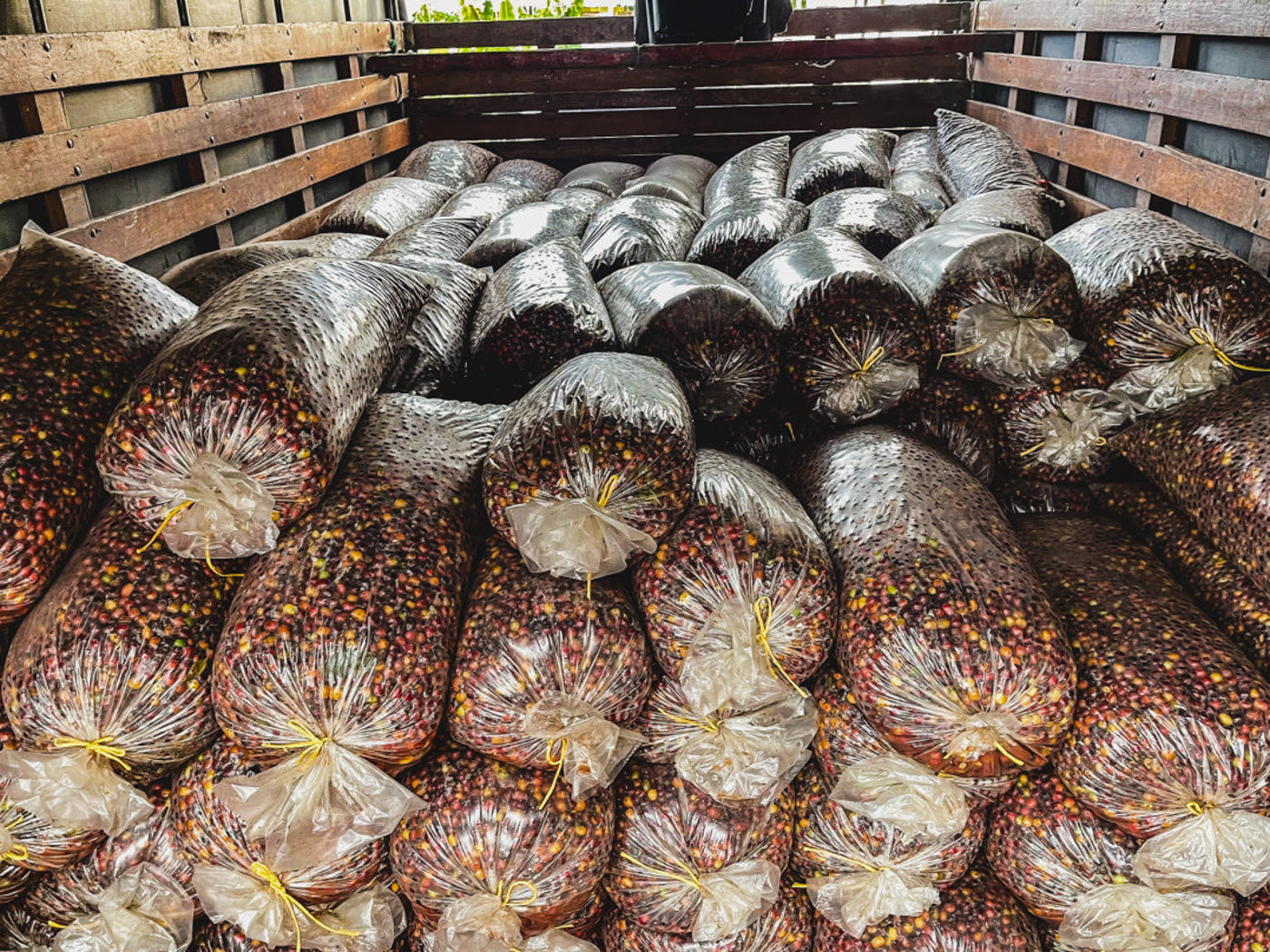
The word "anaerobic" shows up on more coffee bags every year, but this word only tells you that the coffee was fermented in a sealed container. It doesn't tell you which microbes did the work, for how long, or at what temperature, or how any of it shows up in the cup.

A coffee's genetics, growing conditions, fermentation parameters, drying protocol, and roast development all shape what you taste. The fermentation method is just one variable among many.

Full Article

Our Partner Cafés: Find your next cup.